Outdated traditional tools
- HR-centric and reporting-heavy
- Used mainly during quarterly or annual reviews
- Disconnected from daily workflows
- Emotionally neutral and low-engagement

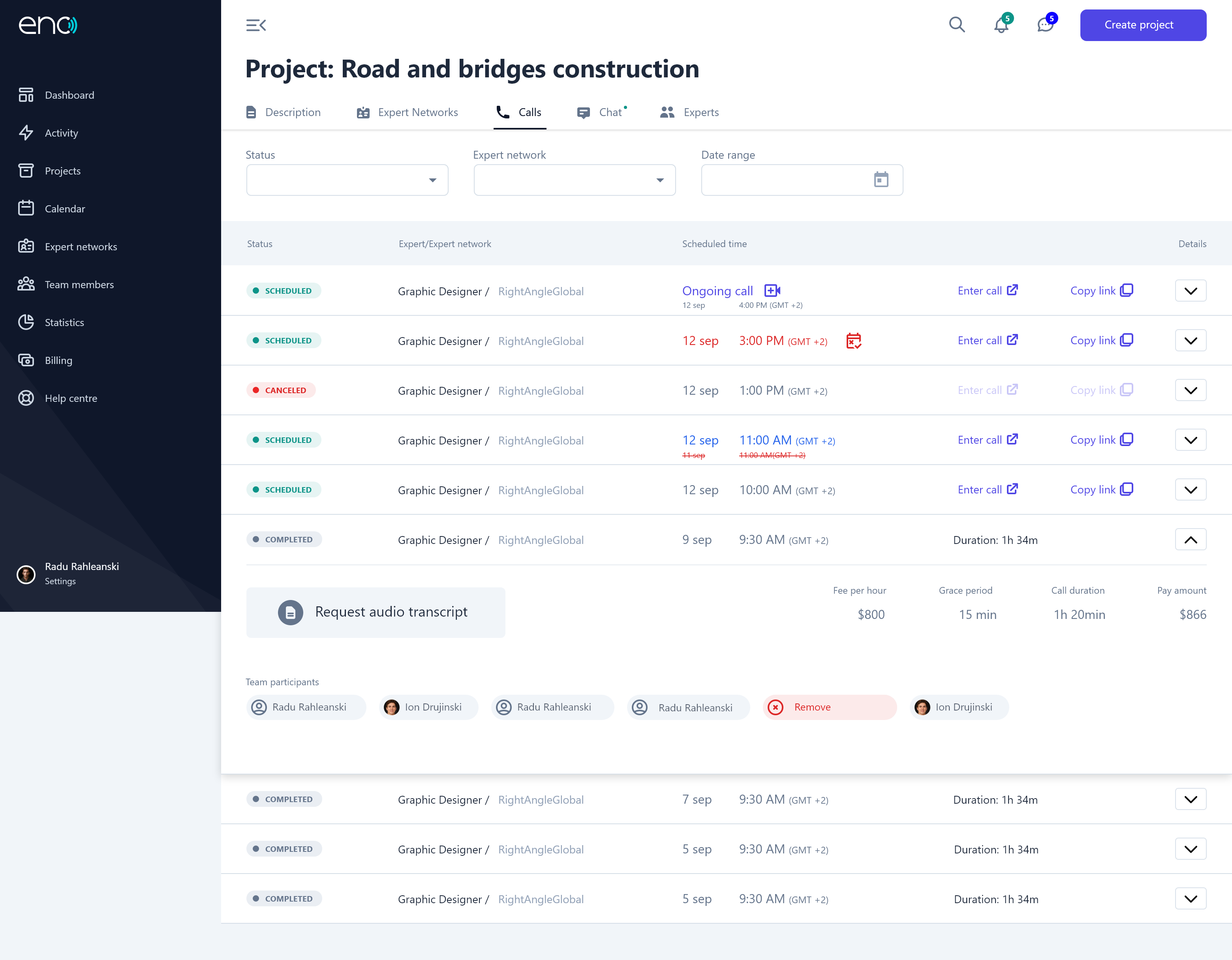
OneSyncs is a performance management platform designed for mid-to-large IT companies.
When I joined, the product was early-stage. Some code existed, but there was no structured UX foundation or validated product direction. The ambition was clear: create a human-centered performance system that increases employee engagement while giving managers actionable data.
Performance management was reactive instead of behavioral and continuous.
Every decision had to work short-term without breaking long-term scalability.
The product was evolving in parallel with engineering. There was no structured UX foundation, and decisions needed to balance speed, validation, and scalability.
Role clarity and permission logic had to be embedded into the system from day one.
Three distinct user groups required structured architecture:
Lightweight adoption and ecosystem integration were critical for survival.
The platform could not compete as a full HR suite.
Behavioral design needed to support growth, not feel playful or gimmicky.
Gamification was necessary to increase adoption, but:
Interviews with HR & managers: feedback typically occurs at quarter-end. Managers collect too much information in a short time.
We needed micro-feedback loops instead of event-based reviews.
Employees resisted using additional software. Existing tools felt cluttered and boring.
Integration with Slack / Teams was critical for adoption.
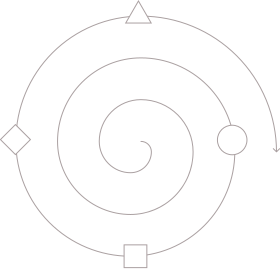
Competitive and cross-industry analysis (learning & fitness apps): reinforcement systems increase long-term retention.
Gamification must support career progression, not distract from it.
Feedback clustered around review periods, creating information overload.
Introduced lightweight feedback throughout the performance cycle.
Performance conversations became more continuous and timely.
The MVP needed to support more roles as organizations evolved.
Separated workflows, permissions, and responsibilities by role.
The architecture could expand without restructuring the product.
Existing HR tools felt passive and low-engagement.
Added progress states, micro-rewards, and positive reinforcement.
Recurring actions became more motivating without feeling playful.
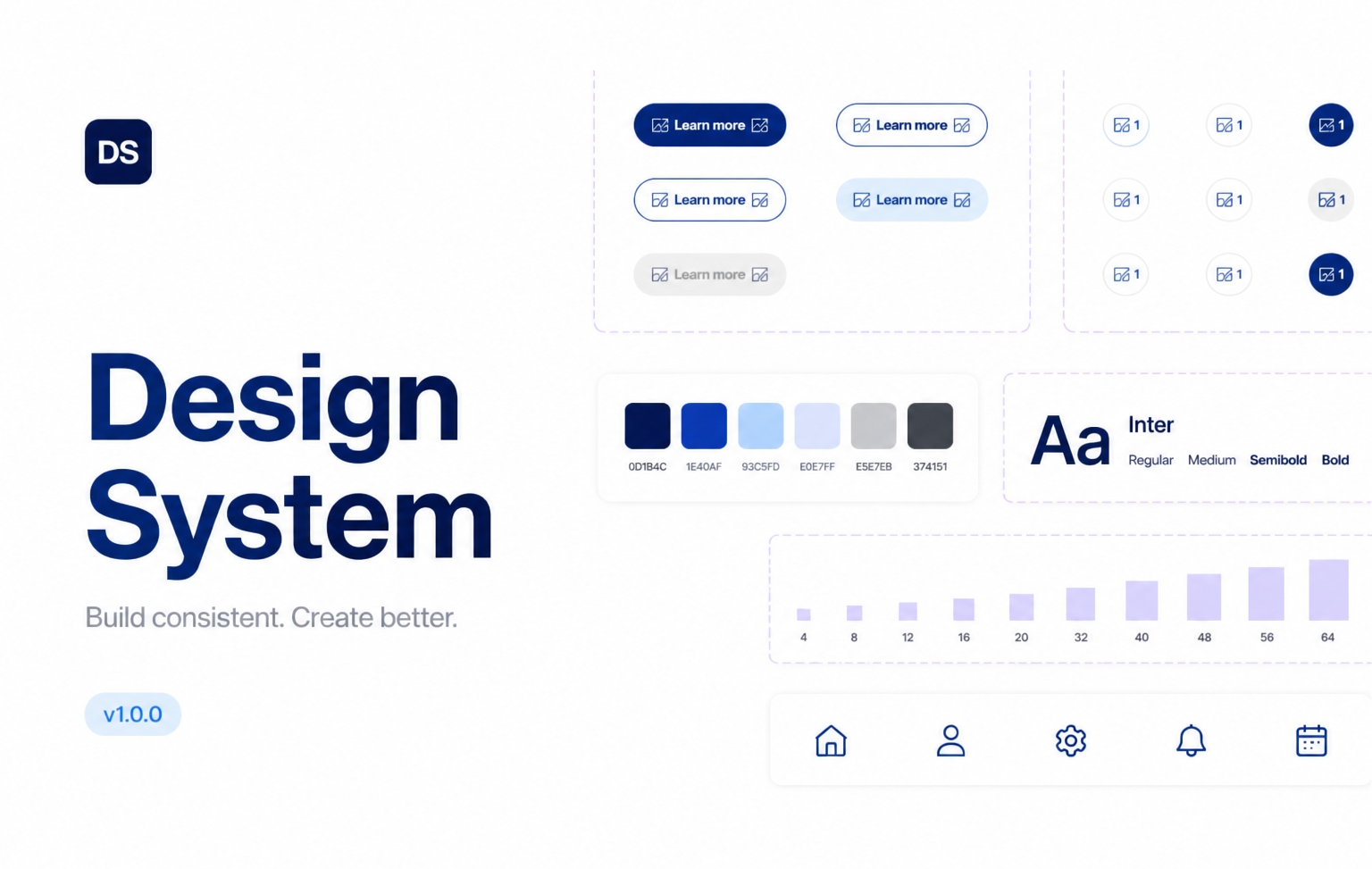
A growing product needed consistency across expanding workflows.
Created reusable components, tokens, and interaction states.
New features became faster to implement and easier to scale.
Gamification + continuous loops increased usage beyond review season.
Structured design system reduced UI inconsistencies and implementation time.
Goals, feedback, and skills created a richer basis for more precise evaluations.
Employees could track goals and growth more clearly, supporting long-term development.